Blog Keywords

Popular Posts for the Month

Showing posts with label art filters. Show all posts

Tuesday, January 24, 2012

Zuiko and It's Time

.
I have to admit, it has been quite a while since I held my E-5!

I guess I have been too busy doing other things that I had time to do some photography with it. First it was the XZ-1, then later it was the Sony arc S. No doubt photography is possible with such simple device, especially with the mobility and connectivity it has to quickly make the images available on any social media sites. Somehow, there was something missing in terms of satisfaction and exuberance.

I guess it's time to get back to basic photography. Get back to  simple pleasures of the exposure triangle. I miss this with the cameraphone.

E-5 with Zuiko Digital ED 14-35mm F2.0
35mm, f/2.0, 1/20s, ISO400, -0.3ev

This image reverberates my desire to seriously shoot again. The simplicity, the balance, and the timelessness. To me, these are what photography means to me. Forget about the world for a while. 

Take a chill. 
Keep cool. 
Relax. 
Expand the mind.

It was not difficult to create the image. Just focus on the composition, the mood and the focus. Let the effects done by the Art Filters. Just focus on the basics. No need to photoshop the image. Just shoot.

Snap. Process. Upload. 

Hmmmm... though the steps are not as fast as my Sony arc S, somehow the workflow kind of work for me. All in-camera and only uploading is done with the SD card transferred into my netbook.

Not bad!!


Thursday, December 17, 2009

E-P2 and the Diorama Art Filter

Based on Wikipedia, the term "diorama" denotes a partially three-dimensional, full-size replica or scale model of a landscape typically showing historical events, nature scenes or cityscapes, for purposes of education or entertainment.

42mm, f/8.0, 1/200s, ISO100

As far as my short excursion with the E-P2, diorama to me was more towards entertainment. I found it amusing at least. The idea to shoot cute looking scenery which was actually real-life was just fun!

With the E-P2, there are 2 additional Art Filters which total to 8. The other new filter is the Cross Processing effect.

Interesting observation was that the filter used a masking layer with Gaussian blur at the peripheral section, with the sharp center gradually getting blur in an oval shape along the horizon. The top and bottom third parts of the frame were blurred to convey a shallow depth-of-field that created an illusion of a miniature model or scene. As observed, the row of houses are at the center of the frame and are sharp in focus. The foreground represented by the highway with vehicles speeding along were blurred, so was the background with sweeping scene of Klang Valley and the Titiwangsa mountain range.

Somehow, shooting vertically won't really work that well. I think due to the orientation of the processing that only traverse along the horizontal plane would not blend well with vertical shots.


40mm, f/9, 1/200s, ISO100

As can be observed, the effect did not look convincing as the road's white broken lines did not adhere to the depth-of-field effect and were in focus at the bottom 3rd of the frame. I thought the processor was intelligent enough to detect a flag in the orientation sensor, and did the proper processing for a vertical composition. I was wrong!

Ah well, I won't delve seriously into this little niggle, as I had said earlier in this post; this Diorama effect was supposed to be FUN!!!!


And it definitely was a joy to use!


Sunday, September 13, 2009

Zuiko and a Colorful Habit


Awesome colors, indeed.

E-30 with Zuiko Digital ED14-35mm F2.0 SWD
21mm, f/6.3, 1/40s, ISO200, -0.3ev, Pop Art

Alas, not so awesome when the rubbish is also prominent in the shot. Really, it is a sad tale of beautiful Malaysia. Amidst the beautiful flora and fauna, the colors rich and vibrant, rubbish has to show its ugly head.

I find it is a challenge to shoot a rubbish-free picture, when it comes to public parks and other public areas. The people's attitude got to change, and I don't see it happening in the near future.

I have been keeping this picture for quite a while, and thought now is the time to show the other side of Malaysia.

Well, at least the colors are vibrant!

Tuesday, August 4, 2009

Zuiko and "The Commute" Challenge


In the latest dpreview.com challenge series I entered, this image made it at 34th place out of 203 entries.

Aptly titled "Escalating to the Train", I used the Art Filter Pinhole to isolate the subject.


Wednesday, June 24, 2009

E-P1 and Escalating for the Ride

E-P1 with M.Zuiko Digital ED14-42mm F3.5-5.6
39mm, f/5.4, 1/80s, ISO1000, -0.3ev, Pinhole Art Filter

I particularly envisioned this shoot. I waited across the hallway of KL Sentral, exactly at the KTMB train waiting area to get a nice vantage point of the escalator carrying commuters up to the Putra LRT platform.

I selected Art Filter Pinhole to achieve a focused impact on the overall, and imposed isolation to the main subject. Lens used was the M.Zuiko ED14-42mm F3.5-5.6.

The 39mm focal length provide adequate range to capture such image, though I was about 70 to 80 feet away.

Bonus: Actually you can see my reflection in the photo!

E-P1 and Grainy Film in the Kitchen

I was just testing out the Grainy Film effect in low light conditions. Turns out to be gorgeous!

14mm, f/3.5, 1/60s, ISO1600, -0.3ev

16mm, f/3.8, 1/60s, ISO200, -0.3ev

Saturday, February 28, 2009

Zuiko and Olympus E-620 Up Close

I went to the Olympus E-system luncheon... and had a very close encounter with the E-620!!!
E-30 with Zuiko Digital ED14-35mm f2.0 SWD
35mm, f/2.0, 1/80s, ISO500, Pin Hole ART Filter

Such a petite camera.. but don't let its appearance full you!! It's jam-packed with features that will make many envy!!! The viewfinder is luxurios for such a small package!!! And the HLD-5 grip is just marvelous for its size!!!


This is a shot showing the size in the hands of an average Asian guy. His left hand is cusping the battery grip, and the lens attached is the standard kit 14-42mm lens.

This is one baby you got to see to believe!!!


The flippable LCD is something this baby has in common with its bigger brothers E-30 and E-3. And all I can say is that, this is way so COOL!!!


Zuiko and a Fire Hydrant

While I was waiting for my wife at work, I did a short walkabout at KL Sentral.

Near Hilton, I found a fire hydrant. The location was perfect to get some shots; blurred shots effects! I sat at the railing adorning the 5-foot walkway, and shot away inconspicuously using Live View and the flippable LCD.

E-30 with Zuiko Digital ED50mm F2.0 MACRO
50mm, f/5.0, 1/13s, ISO100, Pin Hole ART Filter

I wish our Pos Laju service is as fast as depicted in this image!! Sigh....

The E-30 and Zuiko Digital 50mm F2.0 MACRO proved to be the perfect choice to have the frame just right from my vantage point. I chose the E-30 Art Filters mode and shot away; CLik! CliCk! cLIcK!


Other interesting shots of the fire hydrant...


Friday, February 13, 2009

Zuikos and the Need for Primes

I just got my E-30 yesterday from Olympus Malaysia. And boy, does this camera match perfectly well with the Zuiko Digital ED50mm F2.0 Macro lens.

This morning, I made a few shots with this combination. Although I was using a prime lens, there were certain aspects that prime lenses can be more advantageous opposed to varifocal lenses. I had noticed at least three aspects. One aspect was the size; small and nimble. Second aspect was the speed; large f/2 aperture value. Third aspect was the close focus; macro capability at least up to 1:2 reproduction.

E-30 with Zuiko Digital ED50mm F2.0 Macro
50mm, F2.0, 1/100s, ISO320

Well, not all aspects can be part of a prime lens. Design constraints and price will also be the determining factors. However, at least two aspects should be there. With these characteristics, the value of a prime lens is justified over a varifocal lens. Alas, in the case of Zuikos, there is a great mishap on the availability of such lenses to the photographers. Thus, the greatest need for such primes!!

Looking at the current lens lineup, it is easy to pinpoint the gaps. I can straight away list 3 lenses that are a must for Olympus to manufacture.

Zuiko Digital 12mm F2.0 wideangle lens: This wide-angle lens should be a favorite with many photographers. It covers both size and speed. With the 4/3 mount, 12mm requires a retro-focus design. This design is complex and requires many exotic optical material and configuration. Thus, it is acceptable to have the speed limited at F2 since wides do not require much speed. But, the advantage is the design can be more compact. It is possible to have it in 50mm-lens size with a larger diameter front element.

Zuiko Digital 25mm F1.7 normal lens: Normal prime lens should be a flagship lens; that is how I feel. Sadly, Olympus has none of it. However, 4/3 shooters can opt for the Leica D 25mm F1.4 ASPH lens. For me, I will pass this lens. It holds only one of the aspects that I had outlined. Instead, there should be a Zuiko with F1.7 aperture value. This flagship lens can hold all three aspects in terms of size, speed and close focus capabilities. At 25mm, it will not be retro-focus, and the design should be as simple as possible to meet all three criteria. I am hoping for 50mm-lens size with a close-focus down to 20cm.

Zuiko Digital 42mm F1.2 portrait lens: I have to confess, I like portraiture. Most of it actually is capturing the human condition; in my case, my children. What a great bonus if Olympus make such a lens. I always find the 50mm is a tad long for casual portraiture; especially due to the nature of being in close proximity. Focal length of 42mm should be perfect for it. Indeed, such fast optics is highly complicated to construct. The speed justifies for the loss in size and close-focus advantages. The shallow depth-of-field should be the strongest seller and should also the bokeh. With delicate design decisions, I expect this to be a bit smallish size of the 14-54mm lens with 62mm thread. This should be fair enough.

Rightly so, these lenses can easily be slotted at the High-Grade/Pro-Grade lens range along the 12-60mm and 50-200mm lenses. The optical qualities and robust weathersealed build related to this grade should be the strong factors to add to the already established aspects for each lens.

These prime lenses will quickly fill the gap for the photographer to capture the most demanding photographic situations. I can guarantee it.

Then again, these are my hopes. Hoping for the best....

Saturday, January 10, 2009

E-30 and ART Filter: PIN HOLE

Pin Hole... this effect was quite common for my post processed shots. If you browse my Flickrpages, you could see how much I liked this effect.

This filter could be described as adding strong vignets to the four sides of the frame, with higher contrast and darker colors. Kind of myopic view, in my opinion.

Olympus wanted to recreate a sort of LOMO effect, kind of toyish. "This unique colour tone reproduces the peripheral vignetting and unique colour tone of photos taken with a toy camera."

The difference with my usual post processing was I did not really change the color tones; in this instance, the ART filter did some changes. The images looked a bit cheap.

It's kind of ironic, since I used the Super High-Grade ED35-100mm F2.0 PRO lens to capture this image. Why pay so much to get something so cheap? Haha... silly indeed.


A rather bland original picture without the peripheral effect.


To conclude for all 6 ART Filters; there's one thing for sure, E-30 definitely adds a new dimension to my shooting style to supplement my current E-3. I have been confidently shoot JPEG most of the time. The E-3 has an excellent Auto White Balance system, and I seldom have problem with the color tones; thus, I hardly play with colors in post-process. The E-30 is no less either.

In other words, the E-30 has put more joy to my photography. It has made cameras more fun and easier to use!

And that what matters to me.

Please click on image for larger view.
Comparison of PIN HOLE with normal setting.

E-30 and ART Filter: GRAINY FILM

Grainy Film... Kodak TRI-X anyone?

The idea to reproduce something similar in a DSLR was great! I loved it!

Gritty, high contrast, noisy... the perfect recipe for capturing the soul of an image.

What's there left? There's no color, only black & white.

So what were the added dimension required to make the image whole? The human condition and a touch of retrospect, I would say. Simply, a majority of my Grainy Film images were related to the human condition. Raw edge, emotive and gritty.


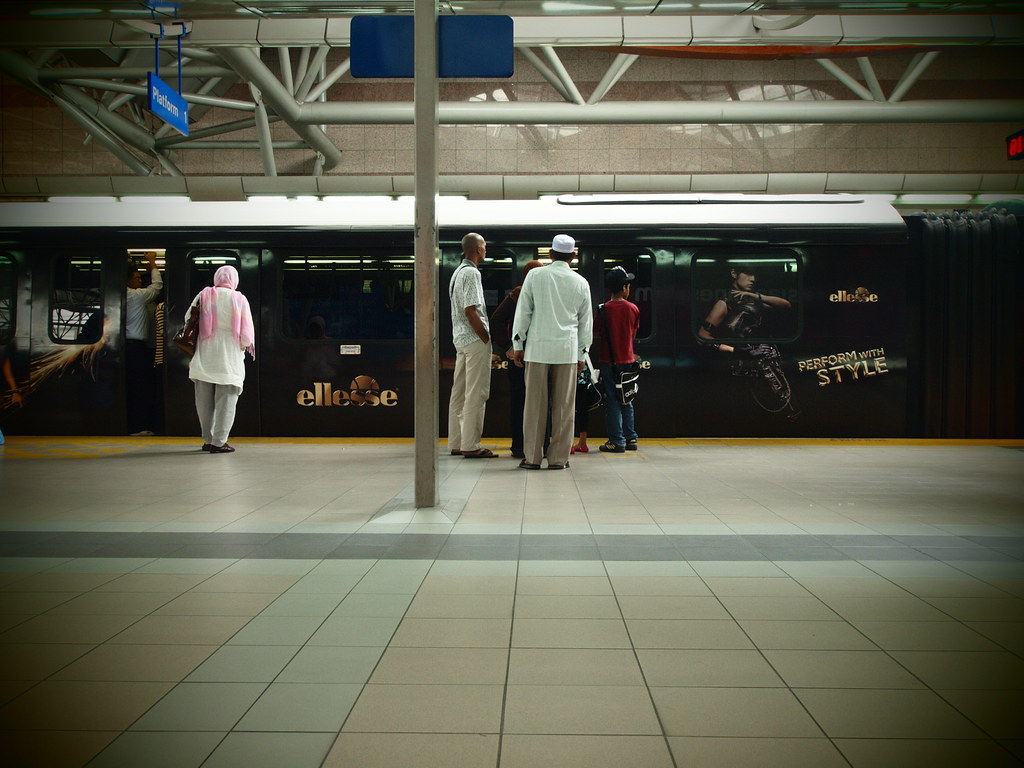
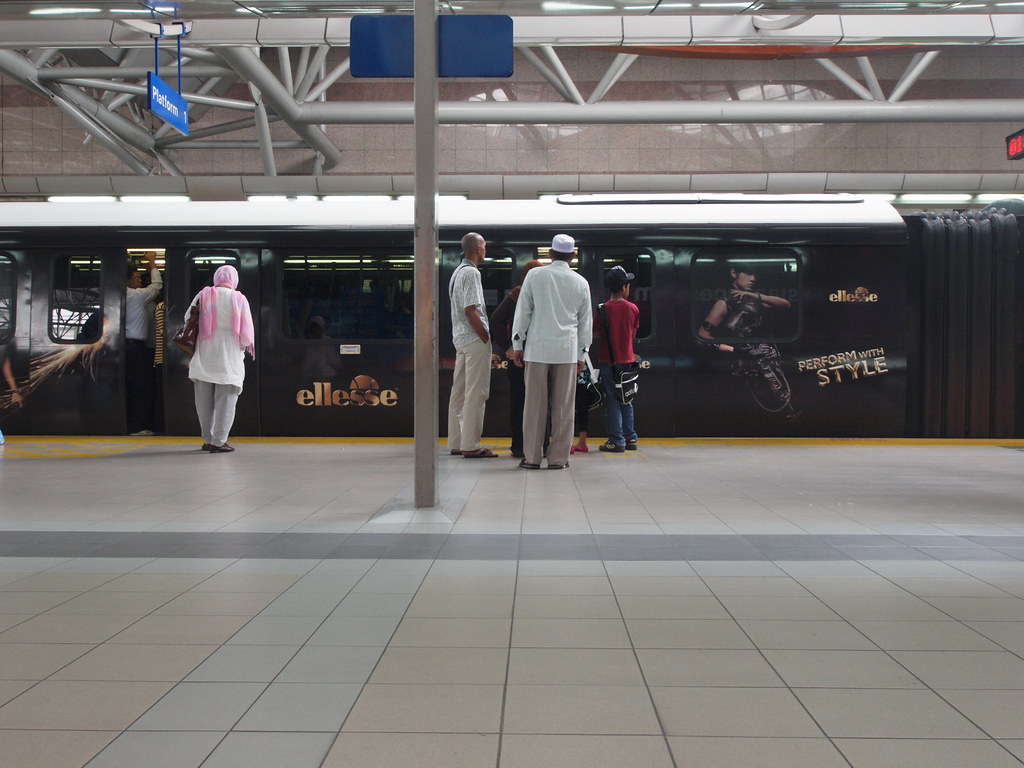
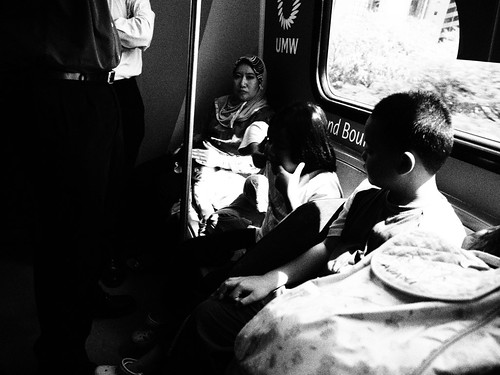
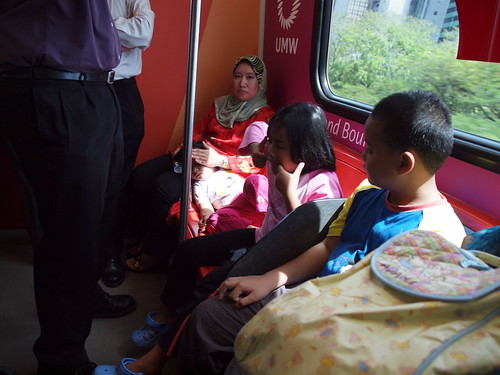
I was in the LRT, with the 14-54mk2 lens. By using the Live View, I entered a realm where people were at ease. Imagine pointing the lens while squinting into the Optical View Finder.. there would be some reaction. We are humans after all!

Compared to the color image below, there was less impact.


The intention of this filter, as explained by Olympus: "This effect recreates the rich, grainy look and tonality evoked by monochrome pictures, giving images a dramatic feel."

Please click on image for larger view.
Comparison of Grainy film with normal setting.

E-30 and ART Filters: LIGHT TONE

Aaaahhh... Light tones... This was one of my favorite effects. Although it was not really offering serious artistic effects, the output of images turned out just lovely. What it did was to compress the highlights and shadows, and rendered the images with subtle soft contrast.


I know, I know... what difference then with Contrast Masking?


Whilst contrast masking also compressed the tones, this Light Tone filter did more than that. The balance of contrast ensured the images did not look rather flat. Now, that was crucial. As could be seen in the image, the depth perception was still retained. I think there was an element of Auto Gradation involved to render the shadow tones, but with AG, the contrast would still be high. Compared to contrast masking, I could also mess up with the color shifts although would match the compressed contrast range. Not this ART filter, though. Nice!

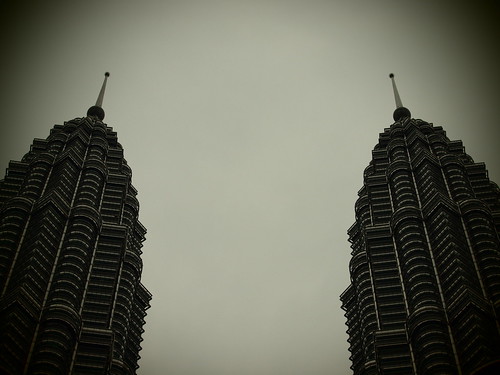
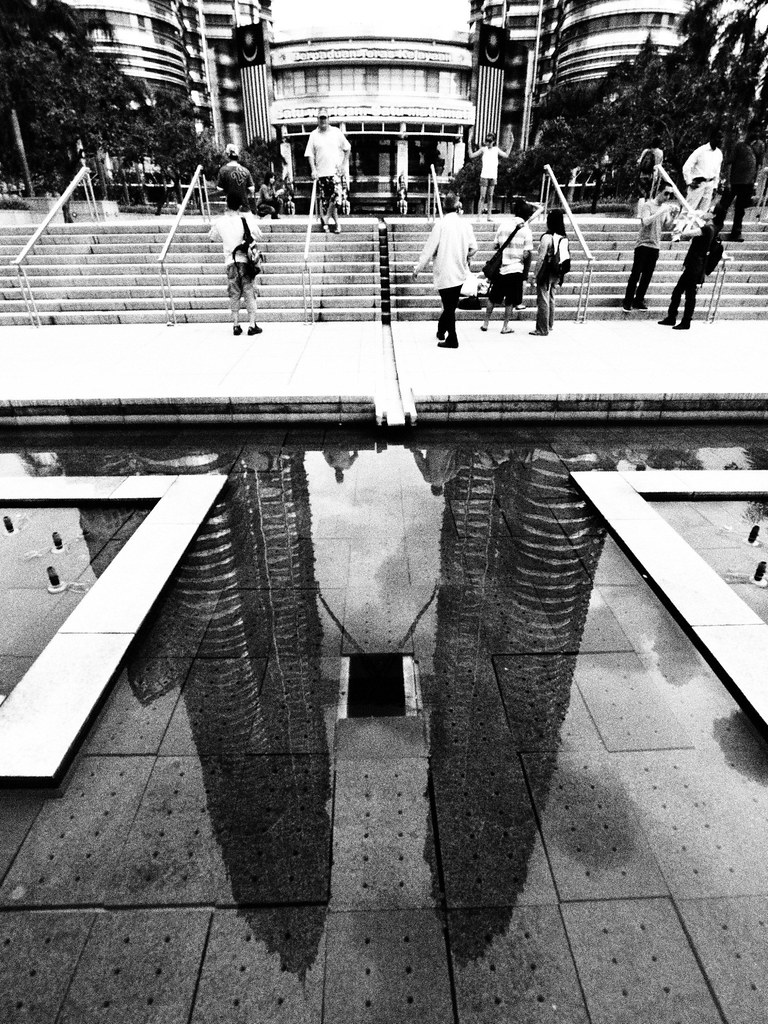
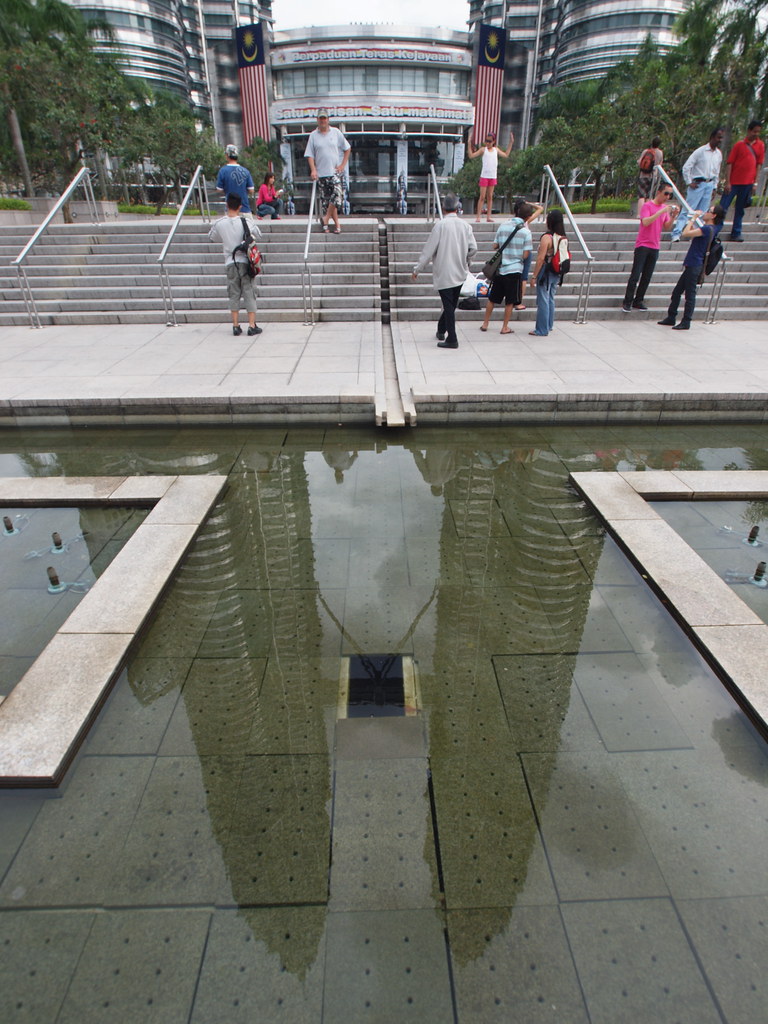
I stood just across the road to get this shot. The 9mm field-of-view was just enough to get part of the towers into the frame. I could step back for wider coverage, but there was a van parked by the road that would enter into frame.


The original image, the contrast was as seen by my own eyes.


Olympus put this effect as "Subdues highlights and shadows to reflect the ambience of a perfectly illuminated scene. Both the shade and highlight areas are rendered softly to provide a sophisticated feel."

I felt the output was sophisticated at least to me, as it made my Contrast Masking output looked rather amateurish.


Please click on image for larger view.


Comparison between Light Tone and normal output.

E-30 and ART Filters: PALE & LIGHT COLOR


To tell you the truth, this is one filter that I was having trouble figuring out. Olympus described it as, "Utilizes muted colour tonalities to create a gentle light. The subject floats serenely in its own world, like a misty memory or the landscape of a dream." Somehow, after reading its meaning, I was more confused.

I had shot various scenes with this effect, and I struggled to get the most out of it.

Well, as a last resort, I tried to shoot some controlled environment subjects. In this case, I specifically shot a flower from a very low angle to have the blue sky as the dominant background. It was early morning, and sun was shining brightly and directly onto the flower. This had resulted in a very high contrast situation. To counter this, I had to utilize the wireless TTL flash capabilities on the E-3o. With the FL-50R nicely perched under the flower (with a diffuser to spread the flash light), the contrast was balanced. Also, since the shutter speed was much higher than 1/250s, all I did was to activate the FP TTL mode. Perfect!

Again, using the free-angle live view capability, I handheld the camera below my knees whilst directly looking at the LCD screen. The responsive AF from the 14-54mk2 ensured the subject was sharp in focus.

As could be seen, the colors were pale and muted. Almost milky. And the flowers seemed to stand out more than the original image.


Somehow, the original image looks a bit overworked.


Actually there's nothing wrong with the original image, as it was only the typical 1:1 flash lighting ratio.

Please click on image for larger view.
Comparison between Pale & Light Color with normal setting.

E-30 and ART Filters: SOFT FOCUS

I was having a meet up with my 2 siblings, and took them for a tea break at one of the nearest "kopi tiam". After having a nice dose of "tiam" food, they started to surf on my phone looking for some cool stuff on Youtube. Their expressions said it all. Total attention with the Alfa Romeo 159 performance, I assume.


I quickly setup my gig. By whipping out the E-30 with the 14-54mk2, I saw the opportunity to do some Soft Focus images. The soft ambient light particularly from the open window, strong backlight to whitewash any potential "garbage" background, with elegant but classic furnishing completed the scene.


Ahh... this shot was also using the Free-angle Live View, if you noticed the slight high-angle shot. I was sitting in front of them, still enjoying my drink. A quick snapshot again, stealthily as possible.


With the original image, the facial details were apparent, and looks very gritty indeed. The soft focus filter can be a great tool for wedding photographers to get that "aura look" straight out of the camera.


From the E-30 website: "The soft tone creates an ethereal, otherworldly atmosphere for beautiful images with a fantasy-like feel." The subtleties were minor, but when combined in an image, they became a strong effect to the final output.


Please click on image for larger view.

Comparison between Soft Focus and normal output.

E-30 and ART Filters: POP ART


One of my first images I made with the E-30 was during my LRT ride from KL Sentral to KLCC. With the 14-54mk2 attached, and flipped the free-angle LCD with Live View, I was able to capture some nice shots at waist level without much annoyance to the crowd. And contrast-detect AF, similar to P&S cameras, was super responsive.

While stopping at Masjid Jamek station, I noticed the colorful banners and signages adorning its hallway, and I realized this was a great opportunity to make the colors jump out. By pressing the OK button, the ART Menu appeared in the LCD screen. A quick scroll using the D-pad enabled me to lock into ART1 Pop Art. A quick reminder, whenever in the ART mode, the camera will be on the P-mode AE. No worries, you can program to Ps with one of the dials, and it will work like A or S mode.

Snap! (rather a "ka-chik" mirror and shutter slaps)... and presto!


In comparison, the original image based on the Vivid mode setting.


Now, let me do some sanity check. From what I read at the Olympus website, this was the explanation: "This effect enhances colours, making them stronger and more vivid, creating high-impact pictures with a pop art feeling."

I could not agree more!

Please click on image for larger view.

Comparison between Pop Art and normal output.